Niboshi (Dried Sardines)
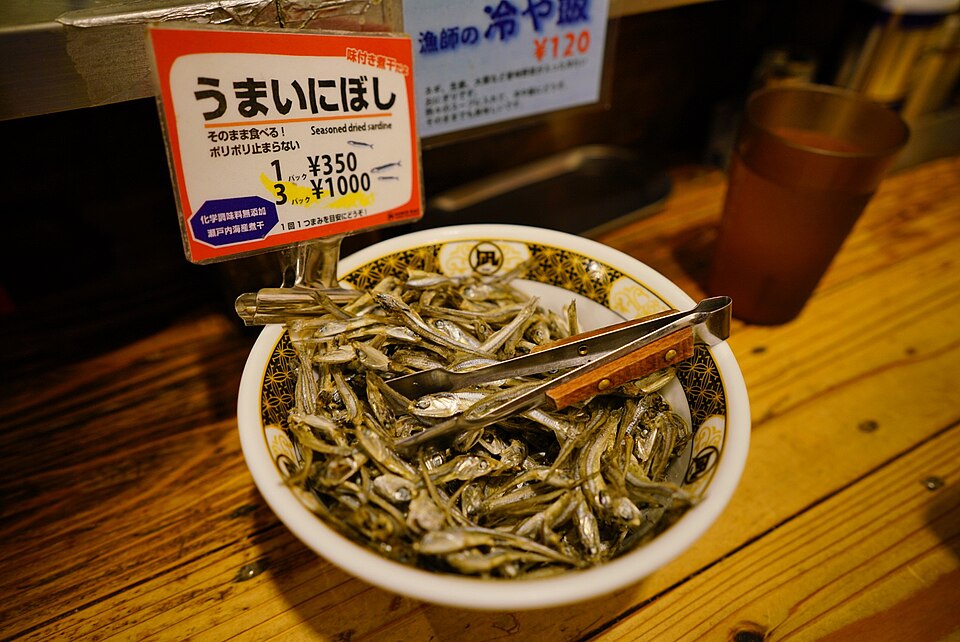
Niboshi are small dried infant sardines or anchovies that are a key ingredient in many Japanese broths, including certain styles of ramen.
Clams
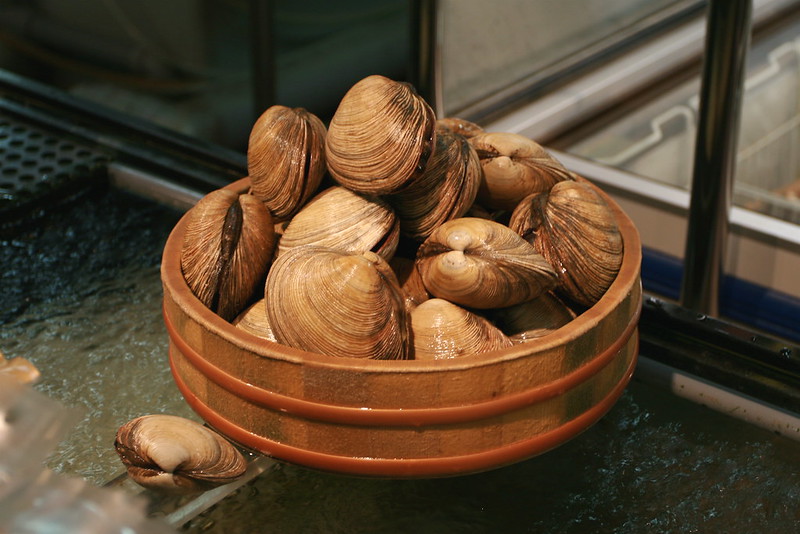
Clams are an elegant addition to ramen, often used in broths or as toppings to bring a fresh flavor that complements lighter ramen bases.
Dashi-Based Broth
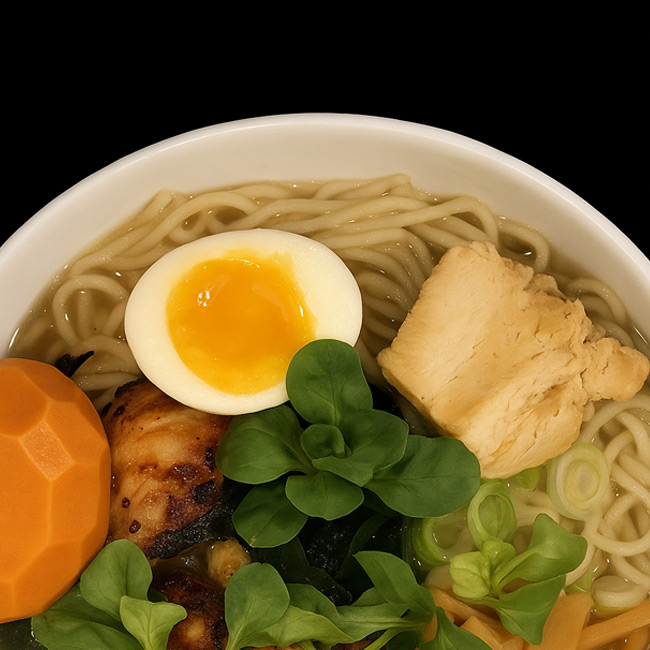
Dashi broth is a foundational component in Japanese cuisine, and when used in ramen, it offers a light, clear, and deeply umami-rich base.
Kaibashira (Dried Scallops)
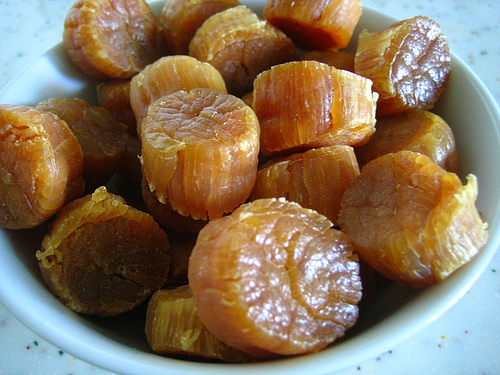
Dried scallops, known as kaibashira, are typically not served as a direct topping, but used as a broth enhancer or flavoring component.
Seafood Tonkotsu Ramen
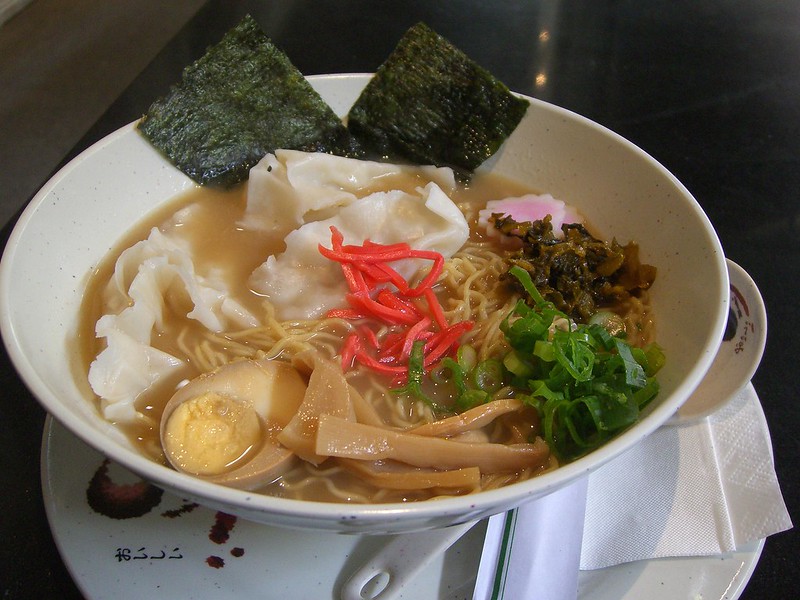
Seafood Tonkotsu Ramen is a variation of traditional tonkotsu ramen that blends the richness of pork bone broth with the depth of the sea.
Mekabu (Seaweed)
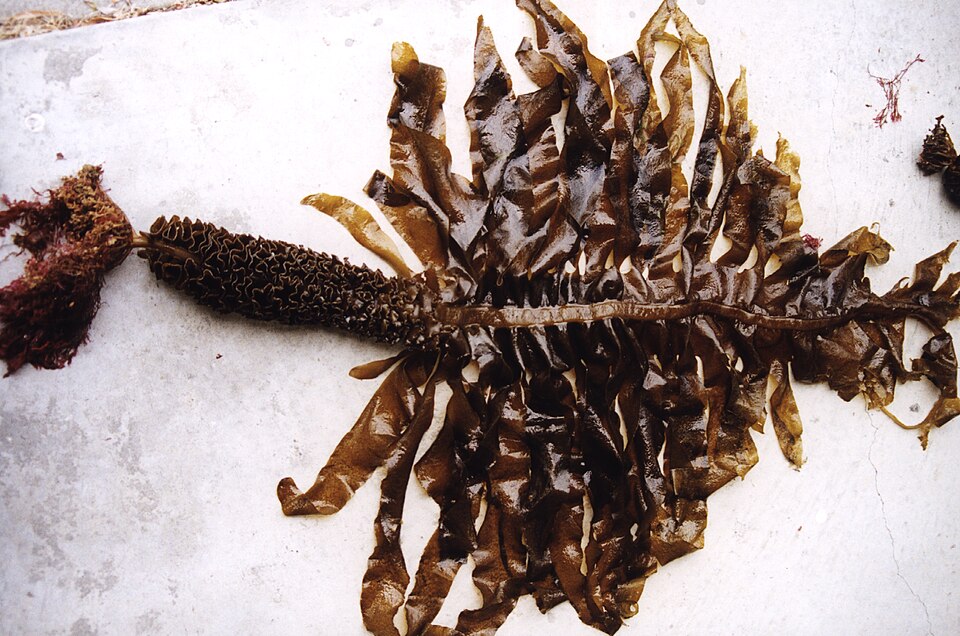
Mekabu is the frilly, flowering base of the wakame seaweed plant, and it’s known for its slick, mucilaginous texture and rich umami flavor.
Hijiki (Seaweed)
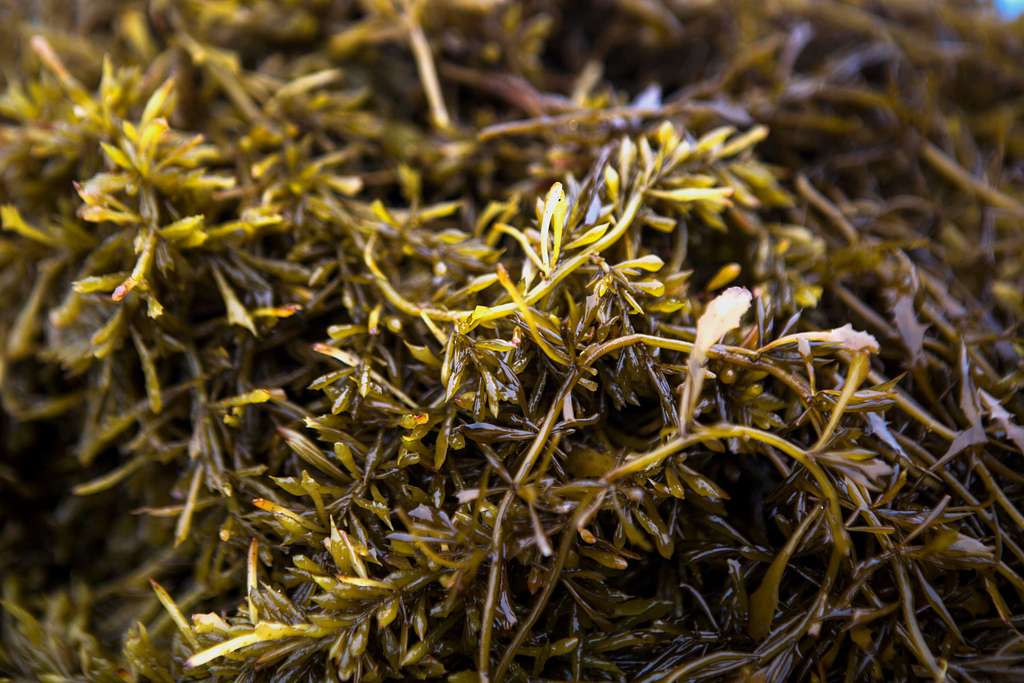
Hijiki seaweed is a dark, stringy, and slightly chewy sea vegetable traditionally used in Japanese cuisine for its rich umami flavor.
Ink Squid or Charcoal Noodles
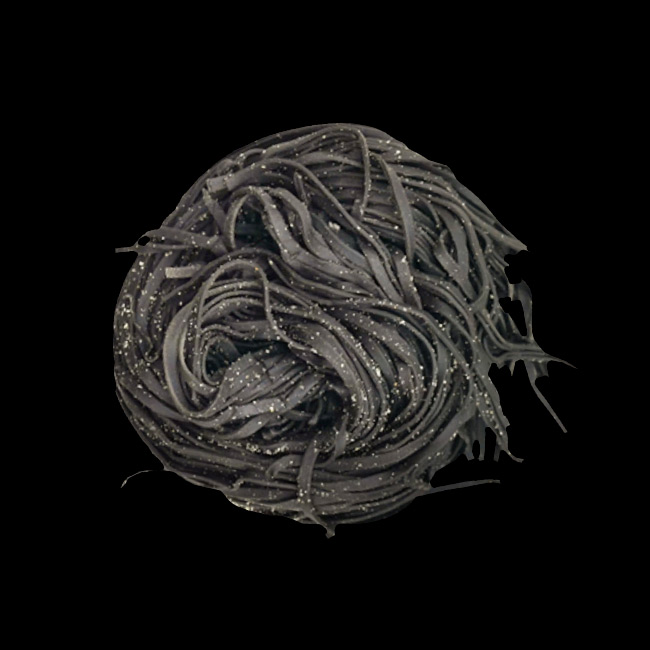
For visual flair and a slightly smoky or briny flavor, some specialty ramen shops offer noodles made with activated charcoal or squid ink.
How Much is Ramen Is Japan? A Price & Reference Guide
Are you visiting Japan and want to try some delicious ramen? This guide contains all you need to know about ramen prices.
Kaedama! Is It Normal To Ask For a Noodle Refill in Japan?

Kaedama means ordering an extra serving of noodles to add to your remaining broth. But is it okay to ask for this refill? How do you do it?
Ippudo, Ichiran, Afuri: Comparing the Most Famous Ramen Chains

Among hundreds of ramen shops across Japan, a few brands have risen to near-legendary status. Let’s compare them!
Tare Seasoning
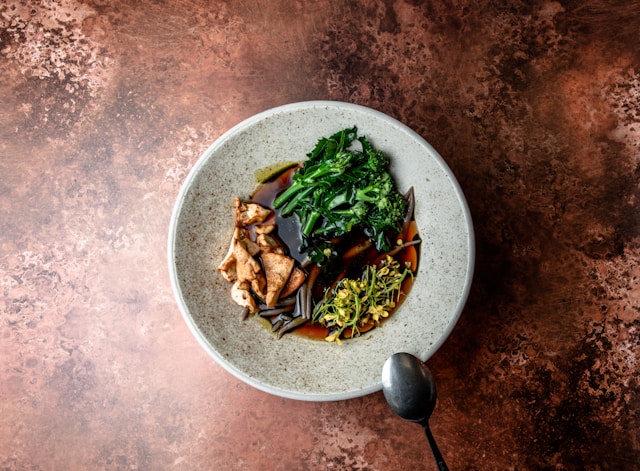
Ramen tare is a key seasoning component in ramen preparation. It’s typically added to the bowl before the broth is poured.