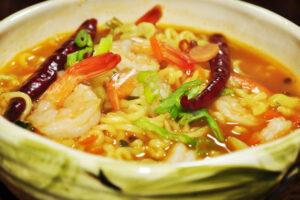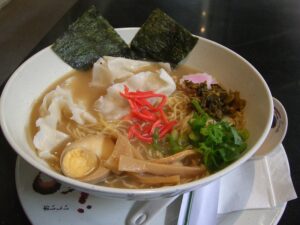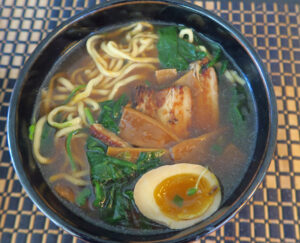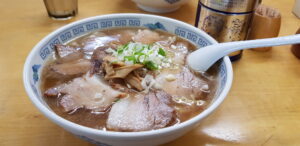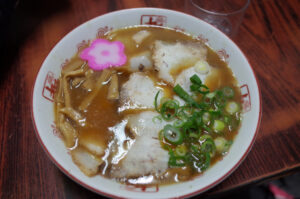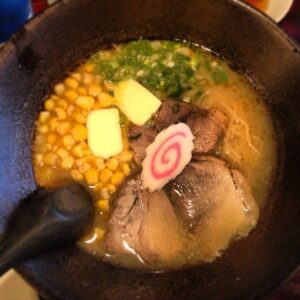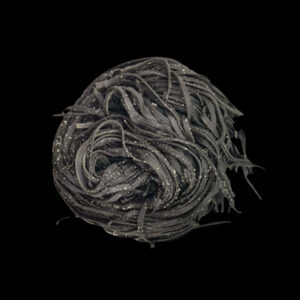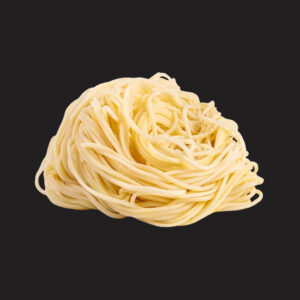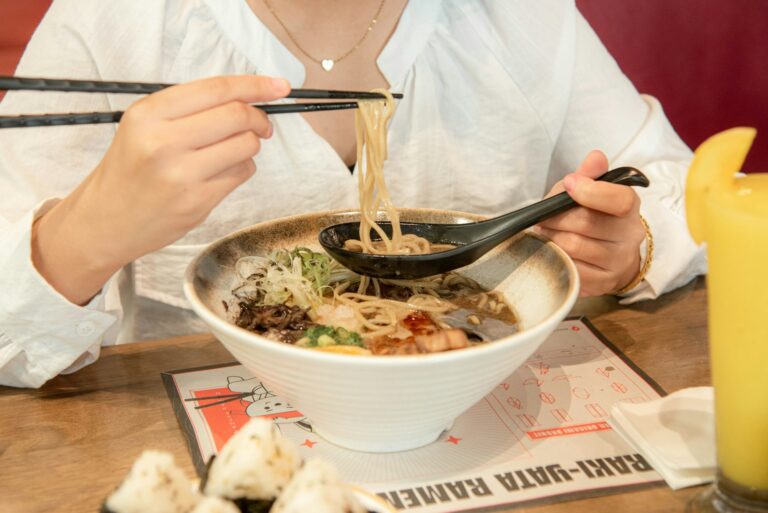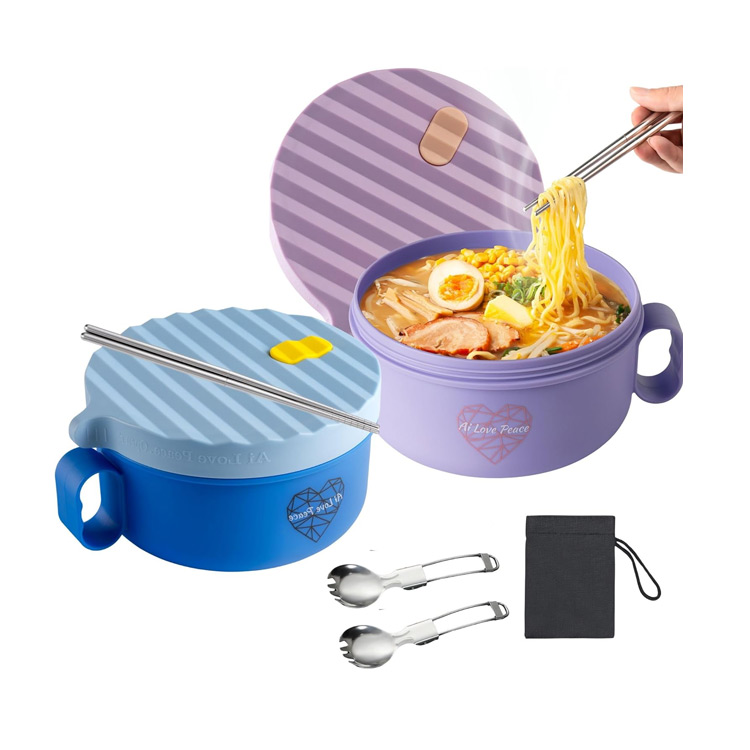
Ramen is one of the most fascinating dishes in the world when it comes to flavour. It isn’t just “noodle soup” — a good bowl of ramen is a carefully layered composition of broth, seasoning, aroma, and texture. The flavour experience is rich and complex, often changing from the first sip to the last bite.
What makes ramen so special is that it brings together multiple flavour profiles at once: deep savouriness, gentle sweetness, aromatic oils, and sometimes even hints of the sea.
So, what are the major flavour dimensions that define ramen?
Umami: The Heart of Ramen
At its core, ramen is built around umami, the deep savoury taste that comes from slow-cooked bones, fermented seasonings, dried fish, seaweed, mushrooms, and roasted aromatics.
Umami is what gives ramen its signature satisfaction — that rich, mouth-filling depth that feels comforting and hearty. Unlike lighter soups, ramen broth is designed to linger on the palate, leaving a lasting savoury warmth.
This intense savouriness is the foundation of nearly every style of ramen. Let’s start with the broths.
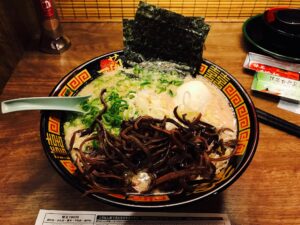
1. Tonkotsu: Creamy and Indulgent Richness
One of the boldest ramen flavour profiles is tonkotsu ramen, made by boiling pork bones for many hours until the broth becomes creamy and opaque.
The flavour here is intensely rich, almost buttery, with a strong meaty backbone. Tonkotsu often has a fatty, silky mouthfeel that coats the tongue, creating an indulgent, luxurious experience.
Many people describe tonkotsu ramen as the most powerful style because of how dense and comforting it feels.
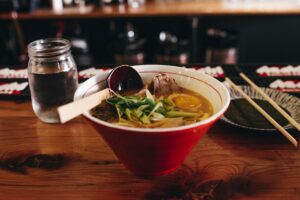
2. Shoyu: Salty, Aromatic Balance
Shoyu ramen, seasoned with soy sauce, offers a sharper and more aromatic flavour profile.
While the broth may still be based on chicken or pork, the soy sauce adds a salty brightness and complexity. Shoyu ramen often tastes balanced between deep savouriness and a clean, slightly tangy edge.
It’s one of the most classic ramen styles — familiar, hearty, but still crisp and layered.
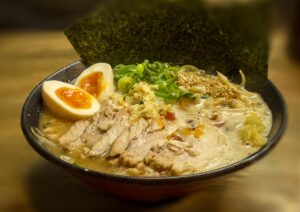
3. Miso: Earthy, Fermented Depth
Miso ramen has a completely different character, thanks to the use of fermented soybean paste.
Miso brings an earthy, slightly sweet richness, with flavours that can feel nutty, smoky, or even mildly funky depending on the type of miso used. This style often tastes robust and warming, almost like a stew.
Because of its hearty depth, miso ramen is especially popular in colder regions of Japan.
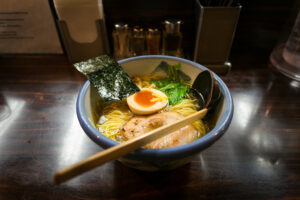
4. Shio: Light, Clean, and Delicate
On the lighter end of the spectrum is shio ramen, the most delicate of the main ramen profiles.
Shio means “salt,” but this style isn’t simply salty — it’s designed to highlight the natural flavour of the broth itself. Shio ramen is often clear and gentle, with subtle notes of seafood, chicken, or seaweed.
It can feel refreshing compared to heavier styles, offering elegance rather than intensity.
More Ramen Flavour Profiles: Notes, Oils, and Toppings
What makes ramen so beloved is that it is never just one flavour. A single bowl can be creamy yet sharp, salty yet slightly sweet, rich yet lifted by herbs or citrus. The best ramen feels multidimensional — broth, tare, oils, noodles, and toppings all working together to create something deeply satisfying.
5. Seafood Notes: Briny and Smoky Umami
Many ramen broths incorporate seafood-based ingredients such as dried bonito flakes, sardines, kelp, or shellfish. Seafood elements often make ramen taste more complex and layered.
These additions create a briny, oceanic depth that adds sharp umami and sometimes a smoky edge. This flavour profile is distinctly Japanese and is especially common in modern styles like gyokai ramen or pork-and-fish tsukemen broths.
6. Tare: The Hidden Source of Personality
One of the most important flavour components in ramen is the tare, the concentrated seasoning base added to the broth. The tare is often described as the “soul” of the ramen because it defines the final flavour balance.
This is where much of the ramen’s identity comes from. Soy sauce tare, miso tare, salt tare, or spicy blends determine whether a bowl tastes bold, sweet, fermented, sharp, or clean.
7. Aromatic Oils: The First Burst of Flavour
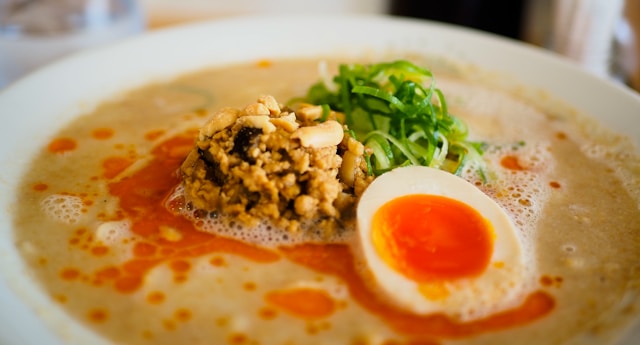
Ramen is not only about taste — aroma plays a huge role. Many bowls are finished with fragrant oils such as garlic oil, chili oil, scallion oil, or sesame oil. These oils float on the surface and create an immediate burst of smell and flavour with the first sip.
That initial aroma is part of what makes ramen so immersive and memorable.
8. Toppings and Texture: Extra Layers of Taste
Ramen toppings contribute their own flavour dimensions.
Chashu pork adds sweetness and richness, soft-boiled eggs bring creaminess, green onions add freshness, and nori introduces subtle marine notes. Even small extras like ginger, black pepper, or pickled vegetables can shift the overall flavour balance.
Ramen is dynamic — every element interacts with the broth to create depth.
Conclusion: Why Ramen Flavours Are So Captivating
Ramen is far more than a simple bowl of noodles in soup. Its flavour profiles range from light and delicate to intensely rich and powerful, offering something for every kind of palate.
What makes ramen truly special is the way all its elements come together — broth, seasoning, aromatic oils, and toppings combining into a layered experience that evolves with every bite. No two bowls are exactly the same, and that endless variety is part of ramen’s global appeal.