Ramen Noodles Ingredients: Kansui

Kansui is a key ingredient in ramen noodles and is responsible for their distinct texture, color, and flavor. Let’s learn more about it.
Ramen Noodles: What Makes Them So Special?
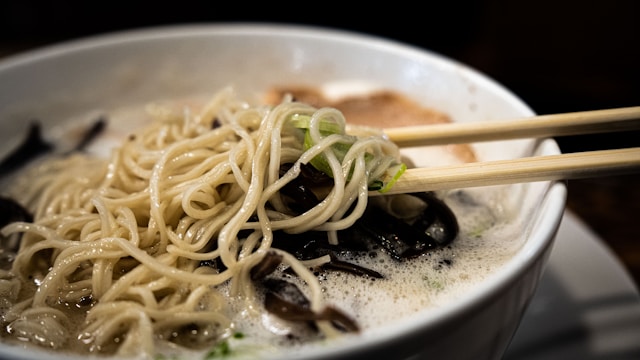
Dive into the science behind ramen noodles and discover what makes them so special, from unique ingredients to cooking techniques.
Ramen Festivals: Celebrating Noodle Culture Across the Globe
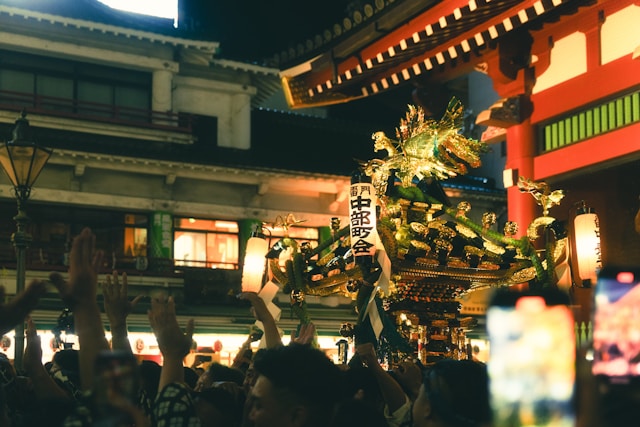
Explore the vibrant world of ramen festivals, where food lovers celebrate the rich and diverse noodle culture around the planet.
Ramen Etiquette: The Do’s and Don’ts, Respect and Rituals

Ramen is more than just a meal—it’s an experience deeply rooted in tradition and culture. Here are its associated customs and etiquette.
Ramen for Rookies: An Easy Introduction to Japan’s Favorite Noodle Soup
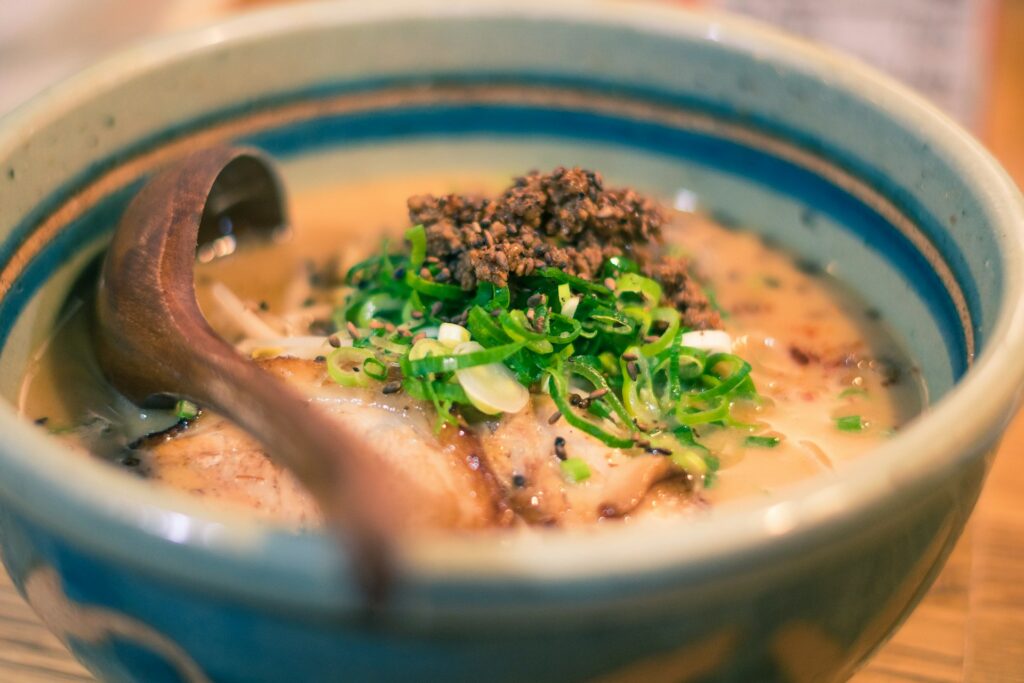
This article-guide breaks down everything you need to know to start your journey into the rich and delicious universe of ramen.
Where to Try the Best Ramen in Japan – A Comprehensive Guide
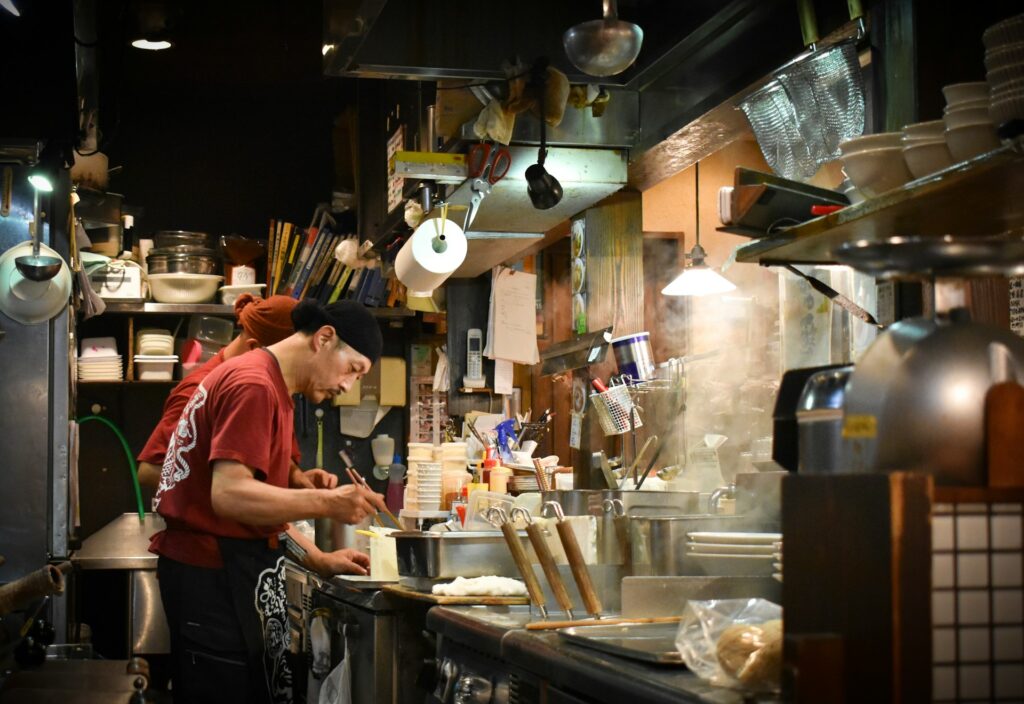
From the bustling streets of Tokyo to the serene countryside of Hokkaido, these are the best ramen shops and their unique offerings.
Tempura Ramen
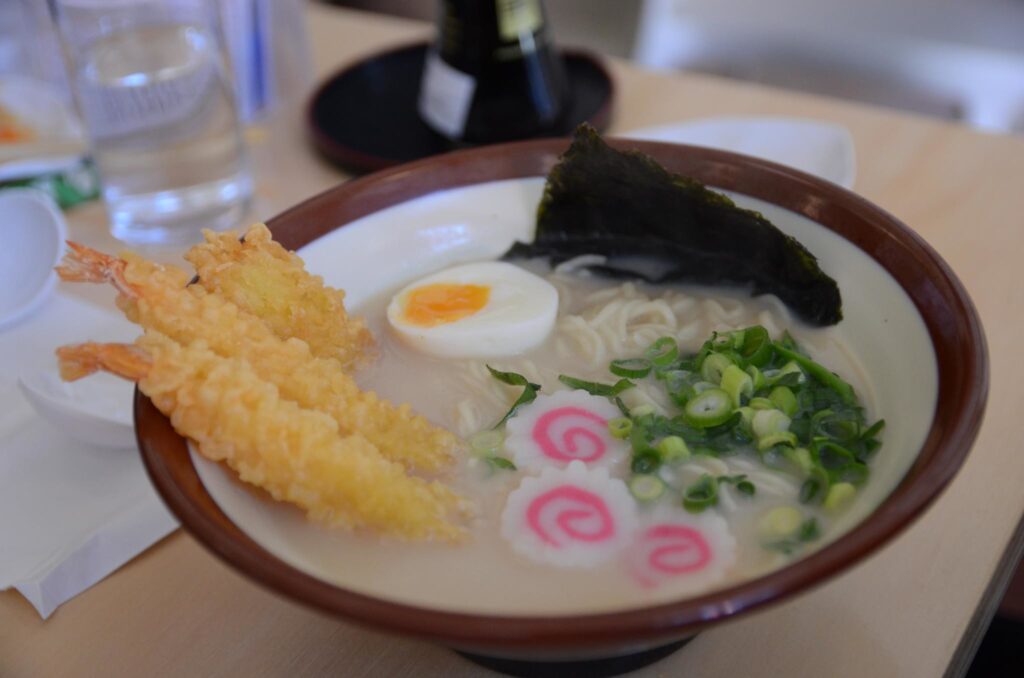
Tempura ramen combines the crispy goodness of tempura with the savory flavors of ramen. It can feature tempura shrimp or vegetables.
Tempura
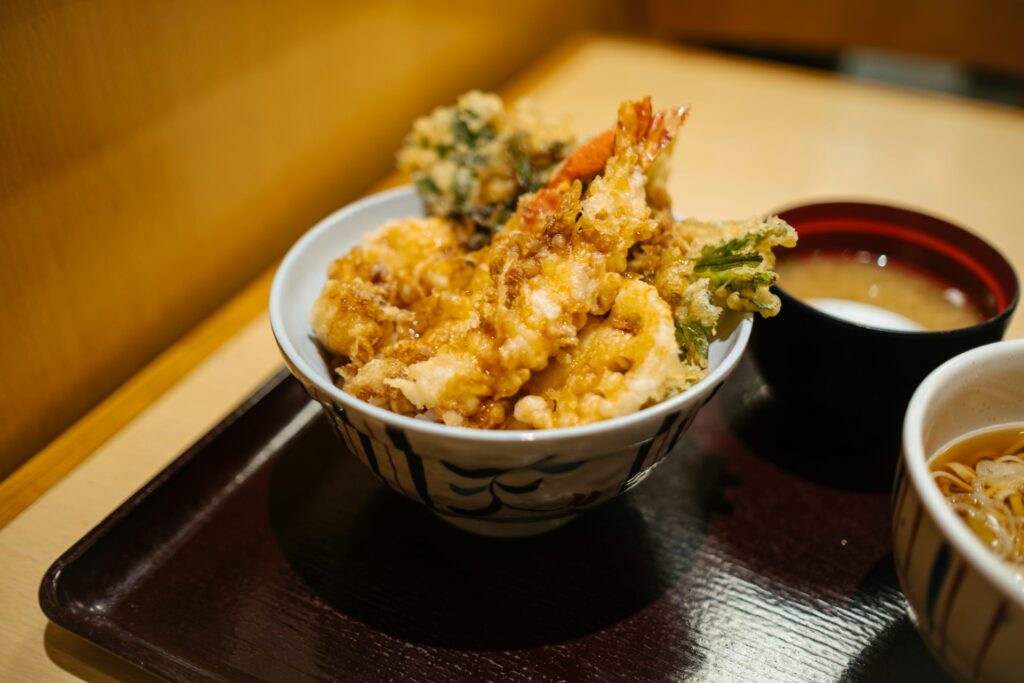
When using tempura as a ramen topping, the key is to select ingredients that maintain their texture and flavor when fried.
Kake Ramen
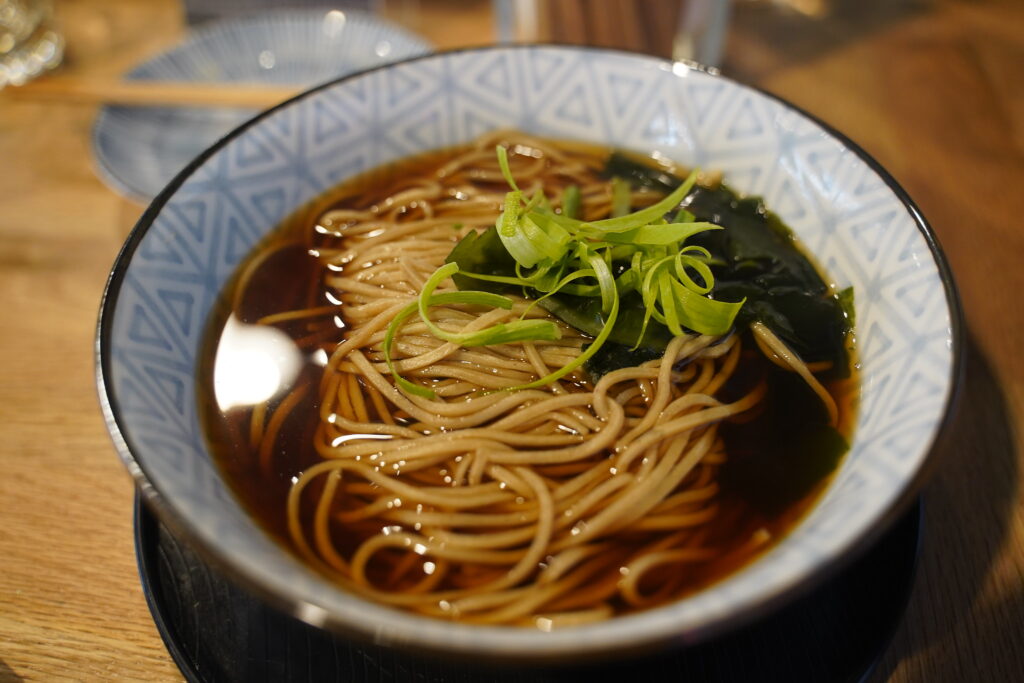
Kake ramen is typically based ona clear, dashi-based broth seasoned with soy sauce (shoyu), mirin, and sometimes sake.
Buckwheat Noodles

Buckwheat noodles, known as soba in Japanese cuisine, are made primarily from buckwheat flour. They are high in protein and fiber.
Dashi (Fish Stock)
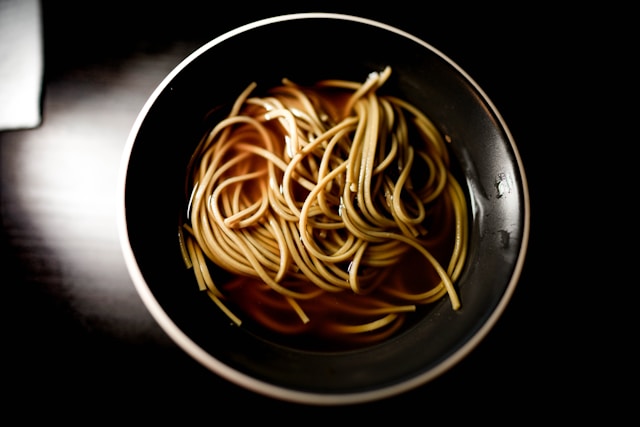
Dashi is primarily used as a base or an enhancing component in the broth. It adds a layer of umami that complements other ingredients.
What’s the Difference Between Ramen and Soba?
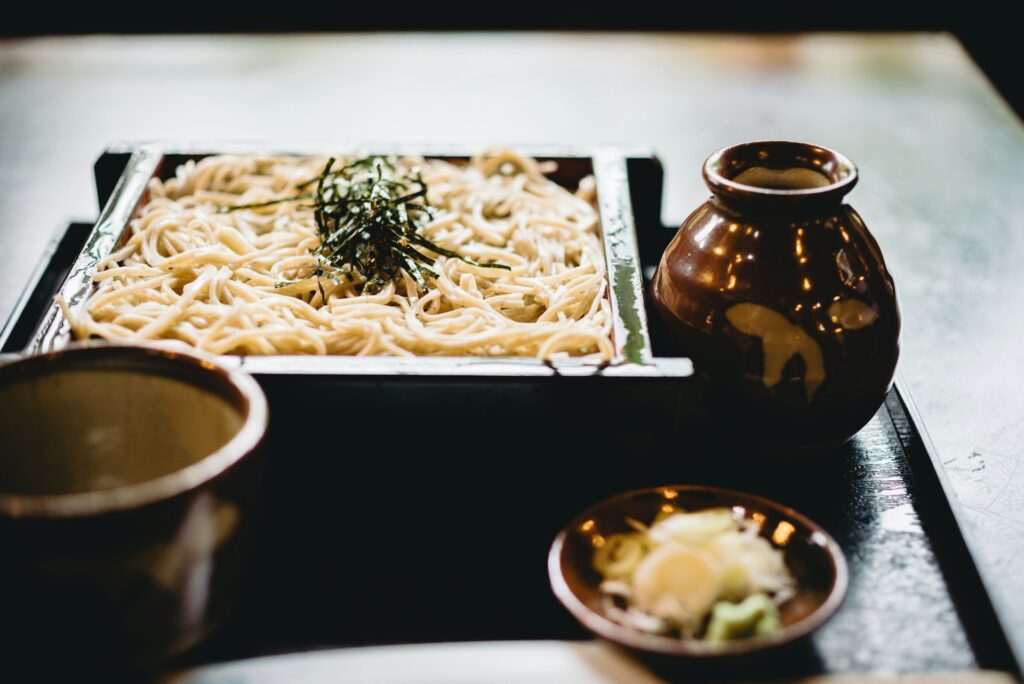
Ramen and soba are both popular Japanese noodle dishes, but they differ in several ways, including the types of noodles used and ingredients.