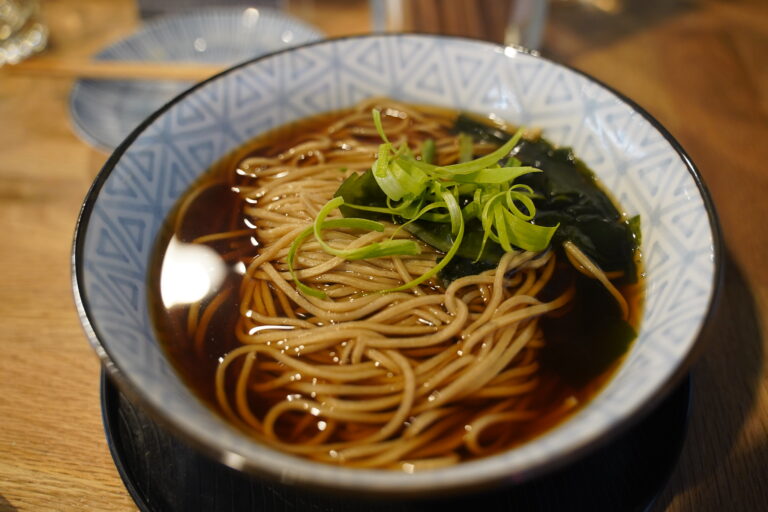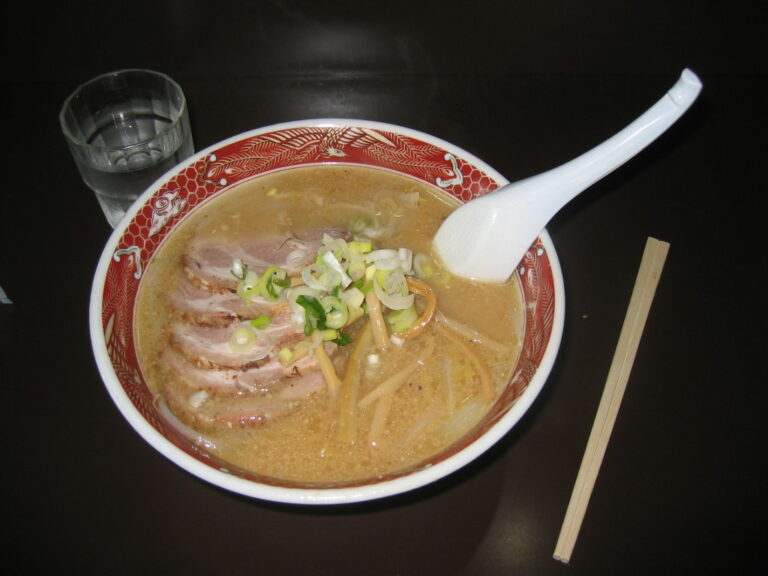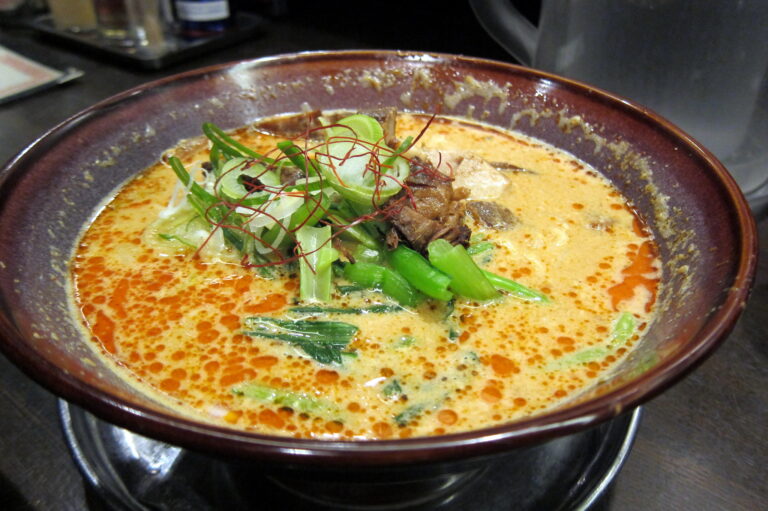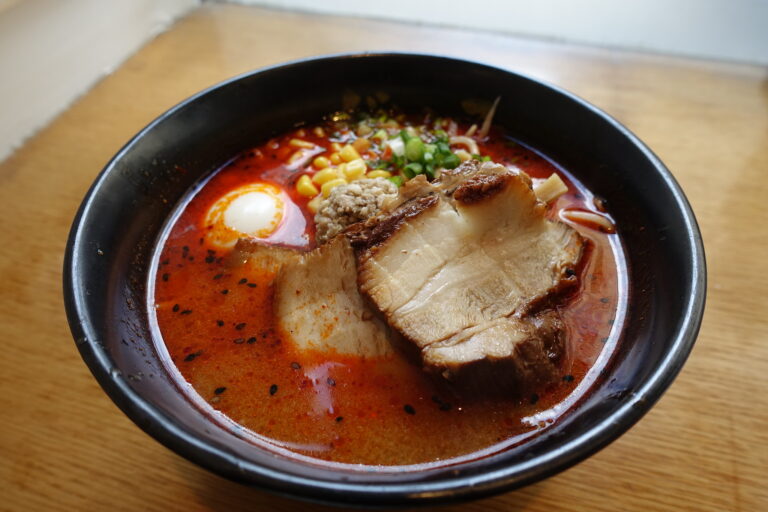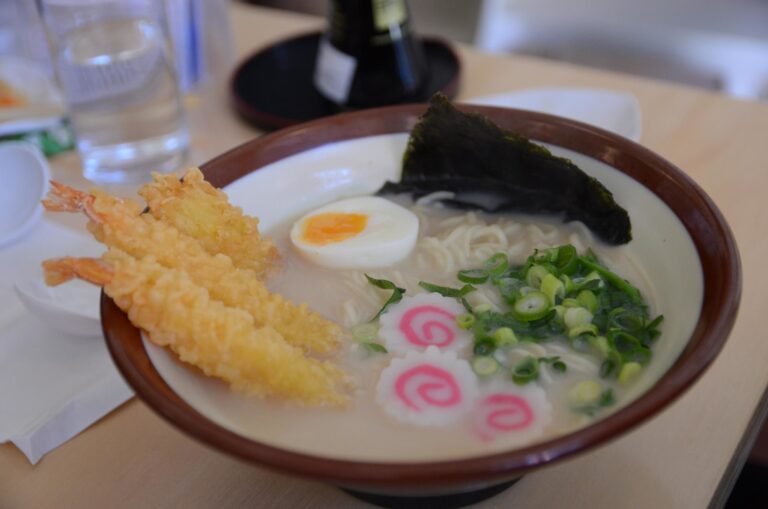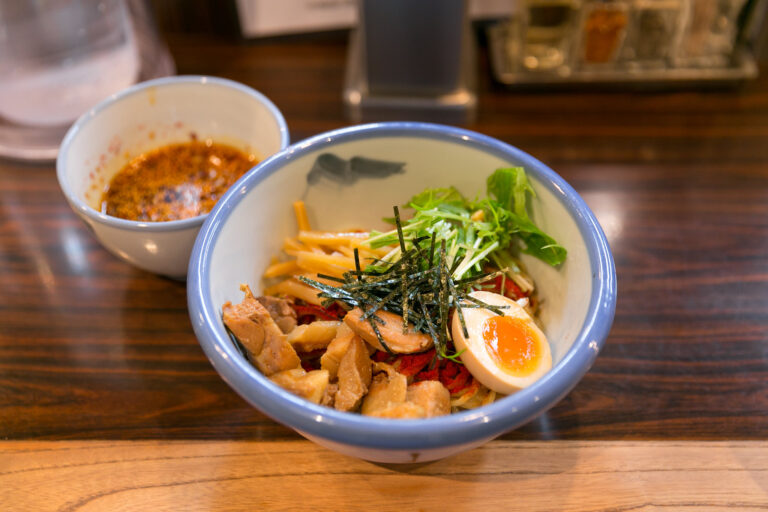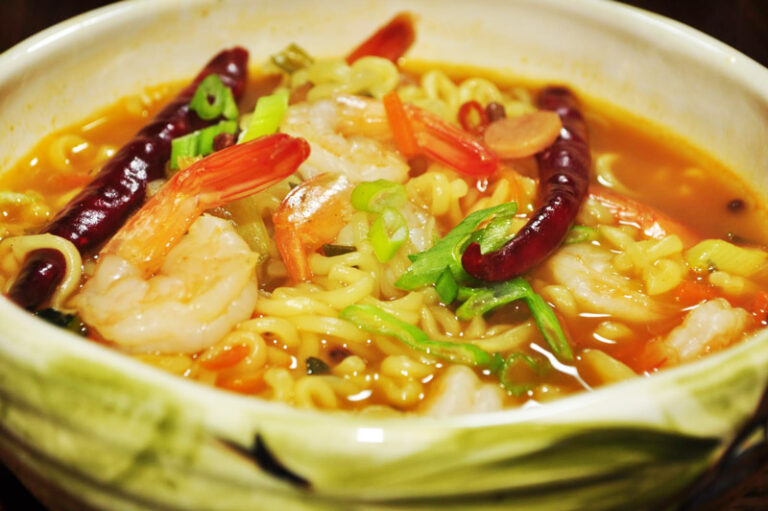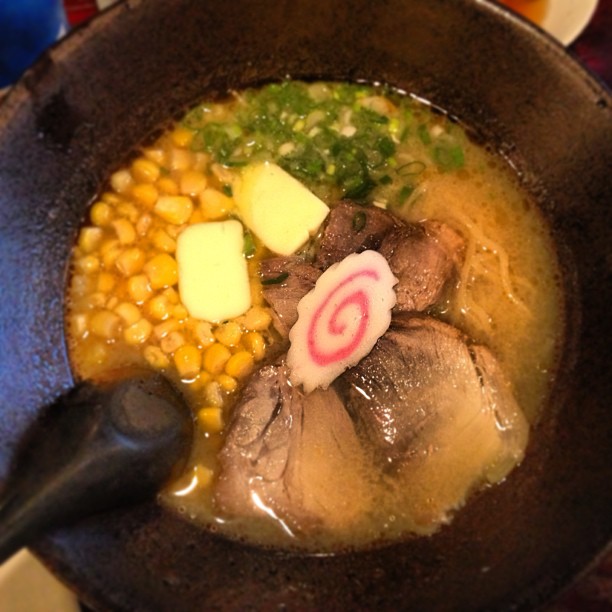
Seafood ramen is a delectable type of ramen that features a rich and savory broth infused with the flavors of the sea. This ramen is renowned for its depth of flavor, achieved by incorporating various seafood elements like shrimp, fish, clams, and seaweed into the broth and toppings.
The result is a harmonious blend of umami-rich ingredients that create a light yet deeply flavorful bowl of noodles. Seafood ramen is particularly popular among those who appreciate the delicate and distinct taste of seafood, making it a unique and enjoyable variation of traditional ramen. The combination of fresh seafood and aromatic broth ensures a satisfying and nutritious meal.
Seafood Ramen
Broth
The broth in seafood ramen is the star of the dish, made by simmering a variety of seafood ingredients such as fish bones, shrimp shells, and clams along with aromatic vegetables like garlic, ginger, and onions. This creates a clear, umami-rich broth that is both light and deeply flavorful.
To enhance the sea flavor, ingredients like kombu (kelp) and bonito flakes are often added. Soy sauce or miso may be incorporated to add depth and complexity, resulting in a well-balanced broth that perfectly complements the seafood toppings.
Seafood Ramen
Noodles
The noodles used in seafood ramen are typically medium-thin and slightly firm, designed to absorb the delicate flavors of the broth without becoming mushy. Made from wheat, these noodles have a chewy texture that provides a satisfying contrast to the tender seafood pieces.
Fresh or high-quality dried ramen noodles are preferred to ensure the best texture and flavor. The noodles are cooked al dente and served immediately to maintain their ideal texture, allowing them to soak up the flavorful broth with each bite.
Seafood Ramen
Toppings
Seafood ramen is adorned with a variety of toppings that enhance both flavor and texture. Common toppings include shrimp, fish fillets, clams, squid, and sometimes even scallops. These seafood elements are often lightly cooked to preserve their delicate textures.
Additional seafood toppings such as nori (seaweed), bamboo shoots, and soft-boiled eggs add complexity and visual appeal. A sprinkle of sliced scallions and sesame seeds can provide a fresh and crunchy contrast, while a drizzle of chili oil or a squeeze of lemon juice can add a touch of heat or acidity to balance the flavors.
A brief history of Seafood Ramen
Seafood ramen is a relatively modern innovation, reflecting the versatility and adaptability of ramen as a culinary dish. While traditional ramen originated in Japan and typically featured pork or chicken-based broths, the coastal regions of Japan began experimenting with seafood to create new and exciting flavors.
This shift was influenced by the abundance of fresh seafood available in these areas and the desire to incorporate local ingredients into beloved dishes. Over time, seafood ramen gained popularity for its light yet flavorful broth and nutritious toppings. Today, it is enjoyed worldwide and celebrated for its unique blend of oceanic flavors and its ability to showcase the diversity of ramen.
Seafood Ramen recipe
Ingredients For the Broth:
- 4 cups seafood broth (or fish stock)
- 1 cup water
- 1 sheet kombu (kelp)
- 1/2 cup bonito flakes
- 2 cloves garlic, minced
- 1 inch ginger, minced
- 2 tablespoons soy sauce
- 1 tablespoon miso paste
- 1 tablespoon vegetable oil
Ingredients For The Toppings and Noodles:
- 4 packs of dried ramen noodles
- 200g shrimp, peeled and deveined
- 200g fish fillets (such as cod or salmon), cut into bite-sized pieces
- 100g clams, cleaned
- 1 sheet nori (seaweed), cut into strips
- 2 soft-boiled eggs, halved
- 2 scallions, sliced
- 1 tablespoon sesame seeds
- Lemon wedges (optional)
Instructions:
Prepare the broth:
- In a large pot, heat the vegetable oil over medium heat.
- Add the minced garlic and ginger, sauté until fragrant (about 1-2 minutes).
- Add the seafood broth, water, and kombu. Bring to a simmer.
- Remove the kombu just before it reaches boiling.
- Add the bonito flakes, reduce heat, and simmer for 5 minutes.
- Strain the broth to remove the bonito flakes.
- Return the broth to the pot, add soy sauce and miso paste, stirring until the miso is fully dissolved. Keep the broth warm on low heat.
Prepare the Noodles:
- While the broth is simmering, cook the ramen noodles according to package instructions.
- Drain and set aside.
Prepare the Seafood:
- In a separate pan, lightly sauté the shrimp, fish fillets, and clams until just cooked. Set aside.
Assemble the Ramen:
- Divide the cooked noodles into four bowls.
- Pour the hot broth over the noodles in each bowl.
- Top each bowl with shrimp, fish fillets, clams, a halved soft-boiled egg, nori strips, and sliced scallions.
- Sprinkle sesame seeds over the top and add a lemon wedge on the side if desired.
Serve the ramen hot and enjoy!