Ramen Database > Ramen Ingredients > Ramen Toppings

Ramen Toppings: Mekabu (Seaweed)

Mekabu (Seaweed)

Mekabu is the frilly, flowering base of the wakame seaweed plant, and it’s known for its slick, mucilaginous texture and rich umami flavor.

Unlike regular wakame, which is leafy and soft, mekabu has a naturally slimy surface when rehydrated—similar to okra or natto in texture—making it both a unique sensory experience and a nutritional powerhouse.

Mekabu is not a standard ramen topping, but when used, it adds a layer of oceanic depth and texture that pairs especially well with light, clean broths. It’s most commonly used in shio (salt) or dashi-based seafood ramen, where its subtle briny notes can shine without being overpowered. The slippery texture contrasts nicely with firm noodles and can even enhance the silkiness of the broth as it mingles during eating.

Chefs may serve mekabu as a small mound on top of the ramen, often alongside other coastal ingredients like clams, shrimp, or yuzu. It’s also found in health-forward or plant-based ramen bowls, since it’s rich in minerals like iodine and calcium, and contains fucoidan—a polysaccharide linked to various health benefits.

Usage and Selection

When selecting mekabu, it’s usually sold frozen, dried, or in vacuum packs. High-quality mekabu should be a vibrant green once prepared and have a pleasant, ocean-fresh smell. It’s rehydrated by soaking in warm water for a few minutes, after which it turns glossy and expands into its naturally tangled form. It can then be lightly rinsed and added directly to the ramen, either warm or cold.

Types of Ramen Using Mekabu

Mekabu in ramen is an unconventional but elegant choice, ideal for diners looking to explore new textures and savor the umami complexity of the sea. It’s not about boldness—it’s about refinement and balance.

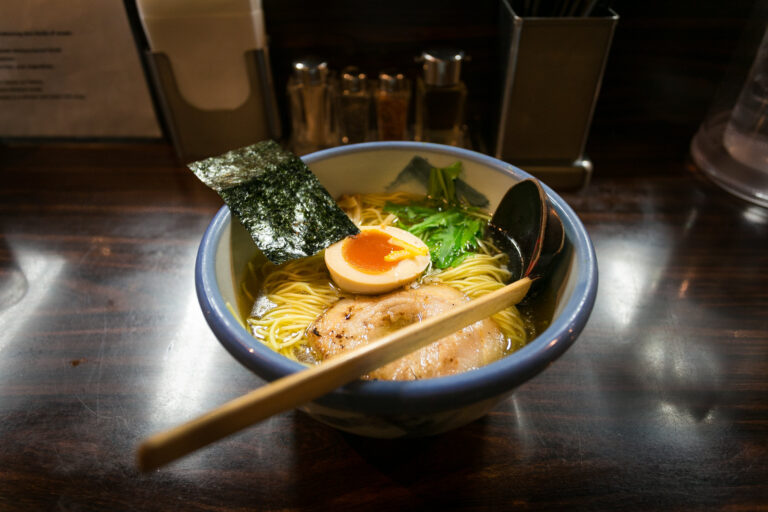
Types of Ramen: Shoyu Ramen

Shoyu Ramen

Shoyu ramen uses a clear and salty soy sauce broth and is considered fairly balanced, with many comforting flavors.
Read More »
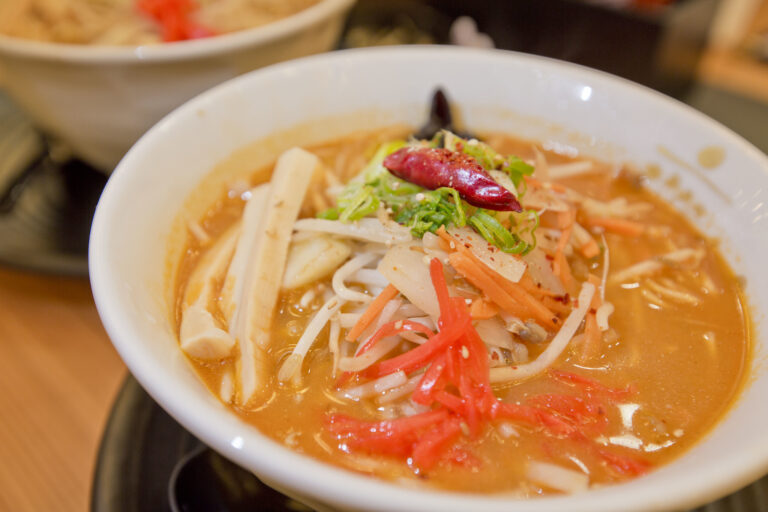
Types of Ramen: Shio Ramen. Image courtesy of City Foodsters via Flickr Commons.

Shio Ramen

Shio Ramen is based on chicken broth. Its main seasoning is salt, and its toppings are usually a refreshing mix of seafood and veggies.
Read More »
Types of Ramen: Vegan Ramen. Image courtesy of GoToVan via Flickr Commons.

Vegan Ramen

Vegan ramen (or plant-based ramen) is often made with fresh and dried mushrooms, garlic, ginger, mirin, and miso paste.

Read More »
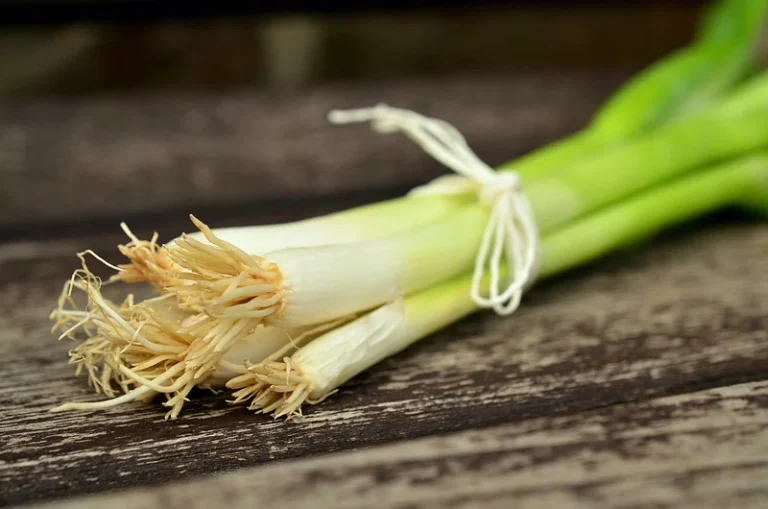
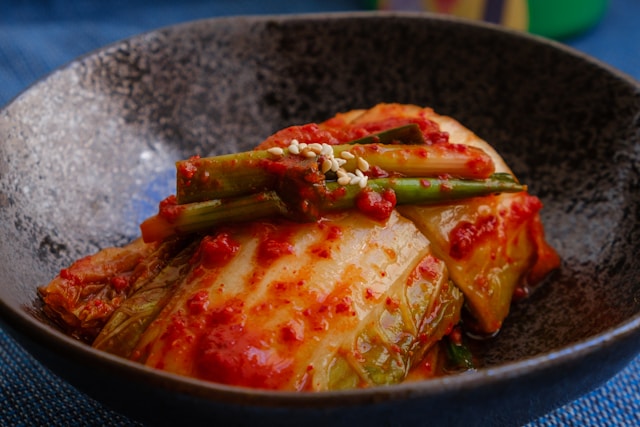
Types of Ramen: Seafood Ramen. Image courtesy of Alpha via Flickr Commons.

Seafood Ramen

Seafood ramen features a rich broth infused with shrimp, fish, and clams, paired with chewy noodles and fresh seafood toppings.
Read More »

More Ramen Toppings

Ramen toppings are essential in adding texture, flavor, and visual appeal to the dish. They range from savory meats to crunchy vegetables and aromatic spices, each contributing to a well-rounded and delicious bowl of ramen. Here are some other common and popular toppings:

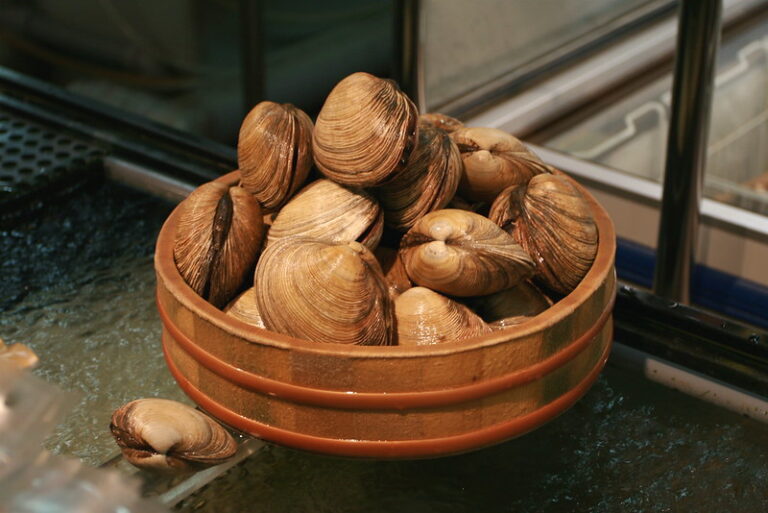
Ramen Ingredients: Toppings - Clams. Image courtesy of Jim Epler via Flickr Commons.

Clams

Clams are an elegant addition to ramen, often used in broths or as toppings to bring a fresh flavor that complements lighter ramen bases.

Read More »
Hijiki (Seaweed). Public Domain image.

Hijiki (Seaweed)

Hijiki seaweed is a dark, stringy, and slightly chewy sea vegetable traditionally used in Japanese cuisine for its rich umami flavor.

Read More »
Ramen Toppings: Mekabu (Seaweed)

Mekabu (Seaweed)

Mekabu is the frilly, flowering base of the wakame seaweed plant, and it’s known for its slick, mucilaginous texture and rich umami flavor.

Read More »
Ramen Toppings: Wakame (Seaweed). Image courtesy of mroach via Flickr Commons.

Wakame (Seaweed)

Wakame (or seaweed) is a nutritious and flavorful topping that adds a subtle umami flavor and delicate texture to ramen. Learn all about it

Read More »