When most people think of ramen, they imagine a steaming bowl of noodles submerged in a rich, savory broth, topped with slices of pork, soft-boiled eggs, and fragrant green onions.
But in Japan, there is another equally popular ramen style that offers a completely different eating experience:
Dipping ramen, known as tsukemen.
In this article, we’ll explore what dipping ramen is, how it works, why it became popular, and what makes it such a special dish.
What is Dipping Ramen?
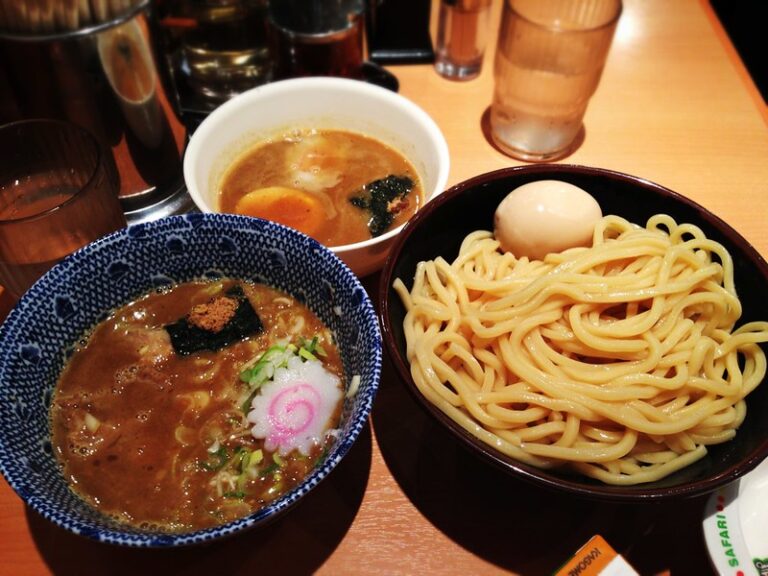
Dipping ramen (つけ麺, tsukemen) is a style of ramen where the noodles and soup are served separately. Instead of arriving in one bowl, tsukemen is typically presented as:
- A plate or bowl of thick noodles
- A separate bowl of concentrated dipping broth
Toppings served either on the noodles or in the broth. Rather than eating noodles already soaking in soup, the diner dips the noodles into the broth with chopsticks, bite by bite.
Tsukemen is a relatively modern invention compared to classic ramen. It is widely credited to ramen chef Kazuo Yamagishi, who introduced the dish in Tokyo in the 1960s. His goal was to create a ramen style that highlighted noodles more prominently while still delivering deep broth flavor.
Over time, tsukemen became especially popular in Tokyo, Saitama, and modern ramen specialty shops. Today, it is one of Japan’s most beloved noodle dishes and has spread worldwide.
The Flavor Profile of Dipping Broth
One of the most exciting aspects of dipping ramen is the broth itself. Unlike traditional ramen broths that can be sipped directly, tsukemen broth is often extremely bold.
Common broth bases include:
- Tonkotsu-Gyokai (Pork + Fish): One of the most famous tsukemen styles combines creamy pork bone broth and strong seafood flavors from dried fish or bonito. This creates a deep umami punch.
- Shoyu (Soy Sauce-Based): A lighter, sharper dipping broth flavored with soy sauce and aromatics.
- Miso-Based Broth: Earthy, hearty, and slightly sweet — perfect for cold weather.
- Spicy Tsukemen: Some shops offer chili-infused broths for heat lovers. Because the broth is concentrated, even a small dip delivers a big impact!
Popular Tsukemen Toppings
Tsukemen includes many of the same toppings as ramen, but they are often arranged differently.
Common toppings include:
- Chashu pork (braised slices of pork belly or shoulder)
- Ajitama egg (marinated soft-boiled egg)
- Menma (seasoned bamboo shoots)
- Nori (seaweed sheets)
- Green onions
- Fish powder (added for extra umami)
- Citrus or yuzu zest (for brightness)
Some shops also add:
- Lime
- Vinegar
- Garlic paste
- Black pepper
How To Eat Tsukemen Dipping Ramen
Eating dipping ramen involves a slightly different method than traditional ramen:
- Pick up a portion of noodles with chopsticks
- Dip them into the broth
- Eat immediately
- Repeat until finished!
Because the noodles are not sitting in soup the entire time, they stay firm, chewy, and full of texture.
The broth remains strong and flavorful throughout the meal, instead of becoming diluted as noodles absorb liquid.
Why Are the Noodles Served Separately?
The separate serving style is not just for novelty, it is central to the dish’s appeal!
1. Chewier, More Pronounced Noodles
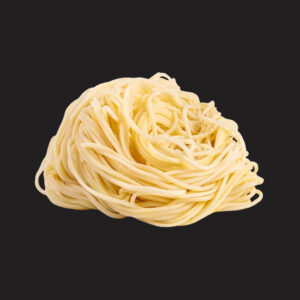
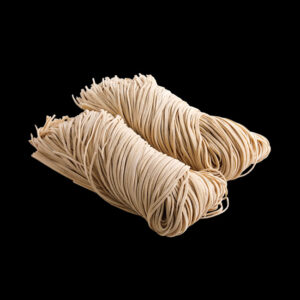
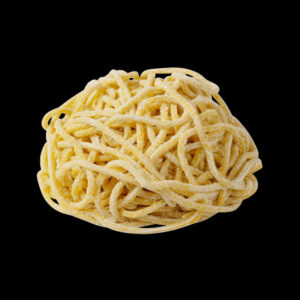
For example, dipping ramen are usually thicker, more elastic, and more robust because they are often cooked slightly differently than ramen noodles to maintain their texture. Many tsukemen noodles are served cool or room temperature, which enhances their chewiness even more.
2. More Concentrated Broth
Because diners only dip noodles into the soup rather than drink it like a standard ramen bowl, tsukemen broth is typically richer, saltier, thicker, and more intense. The broth is meant to coat noodles in powerful bursts of flavor rather than serve as a full soup base.
3. Flavor Control
Tsukemen allows diners to control how much broth they want with each bite, how strong or mild the flavor feels, and the balance of noodles vs. soup. This makes the dish more interactive and customizable.
Soup-Wari: The Final Step of the Meal
One unique tradition in tsukemen culture is something called soup-wari.
After finishing the noodles, you’re often left with leftover dipping broth, which is too strong to drink directly. Instead, ramen shops will offer to add:
- Hot water
- Light broth stock
This dilutes the dipping sauce into a drinkable soup. The result is a comforting finish that prevents waste and completes the dining experience.
![Types of Ramen: Hakata Ramen. Image courtesy of [cipher] via Flickr Commons.](https://ramendatabase.com/wp-content/uploads/2024/06/Types-of-Ramen_Hakata-Ramen-300x199.jpg)