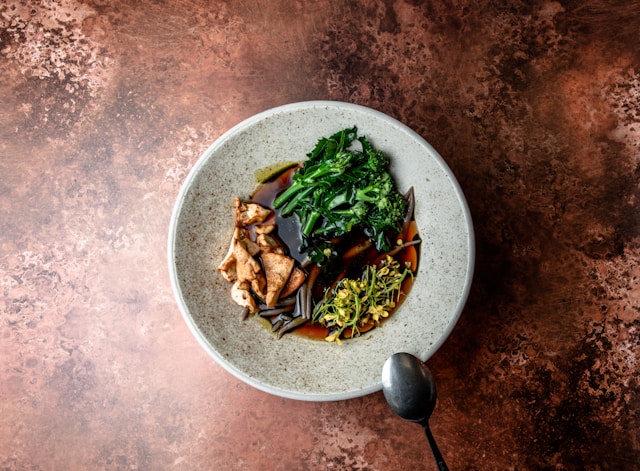
Tare is a concentrated, salty mixture that serves as the flavor foundation for the broth. It’s typically added to the bowl before the broth is poured in, acting as the base that defines the overall taste of the dish.
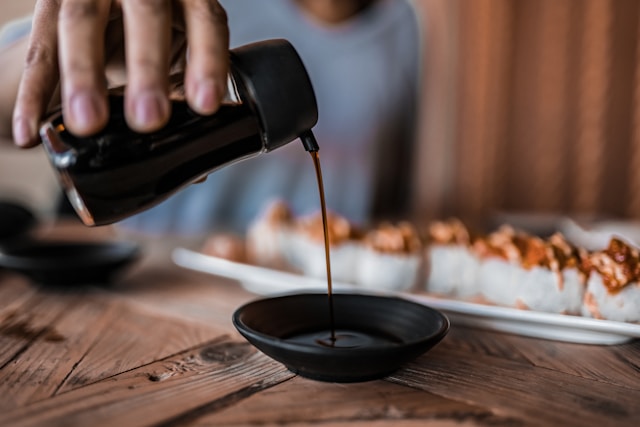
There are several types of tare, each offering a unique flavor profile that shapes the character of the ramen. The most common varieties include shoyu (soy sauce-based), which adds a rich, umami depth; shio (salt-based), known for its light and clean taste; and miso, which delivers a bold, slightly sweet, and savory complexity. By selecting different tare types, ramen chefs can create a wide range of flavor experiences, even when using the same broth base.
Usage and Selection
Tare is usually placed in the bottom of the bowl before the hot broth is poured over it. This ensures it blends evenly, infusing the entire soup with its flavor.
The amount varies depending on the concentration of the tare and the desired saltiness or umami level. It’s often adjusted to balance the richness of the broth. Skilled chefs may tweak tare levels per bowl, especially in high-end ramen shops, to match a customer’s preference or the specific toppings used.
Choosing the right tare depends on several factors:
Broth Type:
- Rich broths (like tonkotsu): Pair well with miso or shoyu tare, which can stand up to the strong, fatty flavors.
- Light broths (like chicken or seafood): Often match with shio or lighter shoyu tare to keep things clean and balanced.
Desired Flavor Profile:
- Shoyu tare adds depth and umami, with a savory but not overpowering taste.
- Shio tare offers a delicate, saline sharpness that lets the natural broth shine.
- Miso tare gives a hearty, slightly sweet and nutty richness—great for bold, warming bowls.
Season & Mood:
- Lighter tares (like shio) work well in warmer months or when you’re after something refreshing.
- Heavier tares (like miso) are perfect in winter or when you want a comforting, full-bodied bowl.
Ingredients & Toppings:
Earthy or fermented toppings (like bamboo shoots, mushrooms, or fermented menma) go well with miso.
Delicate proteins (like chicken or seafood) pair best with shio or light shoyu.
Charred or grilled toppings (like chashu pork) are great with shoyu, which complements the umami.
Making Your Own ramen Tare
Making your own tare at home is one of the easiest ways to create ramen-shop flavour without spending hours perfecting a broth. With just a few ingredients and a few minutes of preparation, you can build powerful flavour bases that instantly transform simple stock into something complex and authentic.
Below are several easy homemade tare recipes to help you experiment with different ramen styles.
Quick Recipes
1. Shoyu Tare (Soy Sauce Base)
A classic, balanced tare with salty depth and aroma.
Ingredients
- ½ cup soy sauce
- 2 tbsp mirin
- 1 tbsp sake (optional)
- 1 tsp sugar
- 1 small piece garlic or ginger (optional)
Method
Simmer everything gently for 3–5 minutes, then cool.
Use 1–2 tbsp per bowl of broth.
Quick Recipes
2. Miso Tare (Rich and Earthy)
Perfect for hearty, warming miso ramen.
Ingredients
- 3 tbsp miso paste (white or red)
- 1 tbsp soy sauce
- 1 tbsp mirin
- 1 tsp sesame oil
- 1 tsp grated garlic
Method
Mix ingredients over low heat until smooth (don’t boil).
Use 1–2 tbsp per bowl for a deep, fermented flavour.
Quick Recipes
3. Shio Tare (Salt and Umami Base)
Light, clean, and delicate — great for clear broths.
Ingredients
- ¼ cup warm water
- 1½ tbsp salt
- 1 tbsp soy sauce
- 1 tsp kombu powder or dashi granules
- Optional: pinch of MSG for extra umami
Method
Stir until dissolved. No cooking needed.
Use 1 tbsp per bowl for a bright, clean finish.
Quick Recipes
4. Spicy Tare (Kara Tare)
This tare adds heat, smokiness, and bold flavour — perfect for spicy ramen or spicy tsukemen.
Ingredients
- 2 tbsp soy sauce
- 1 tbsp miso paste
- 1 tbsp chili oil (or rayu)
- 1 tsp doubanjiang (spicy fermented bean paste)
- 1 tsp sesame oil
- 1 tsp sugar or honey
- Optional: pinch of garlic powder or grated fresh garlic
Method
Stir everything together over low heat for 2–3 minutes until smooth. Let cool before using.
Use 1 tbsp per bowl for moderate spice, or more if you want it fiery.
Tare Quick Tip
Types of Ramen Using Tare
Dashi is a versatile seasoning that appears in numerous ramen variations, each benefiting from its umami depth. Below, we explore some popular types of ramen that incorporate this essential broth.

Shoyu Ramen
Shoyu ramen uses a clear and salty soy sauce broth and is considered fairly balanced, with many comforting flavors.
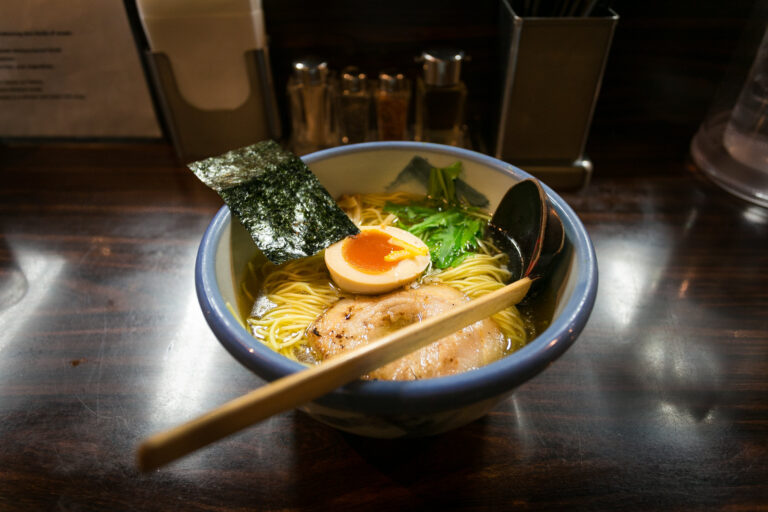
Shio Ramen
Shio Ramen is based on chicken broth. Its main seasoning is salt, and its toppings are usually a refreshing mix of seafood and veggies.
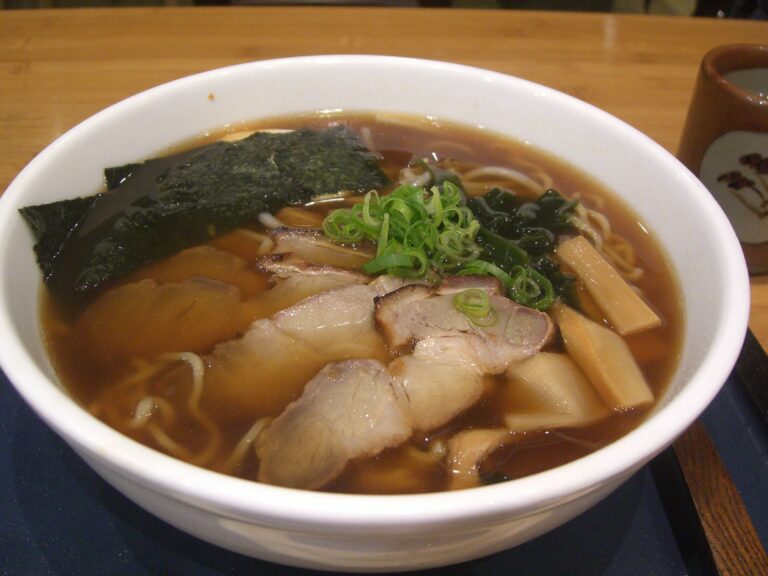
Chashu Ramen
Chashu ramen is a Japanese noodle soup known for its rich broth, tender braised pork belly, and flavorful toppings.
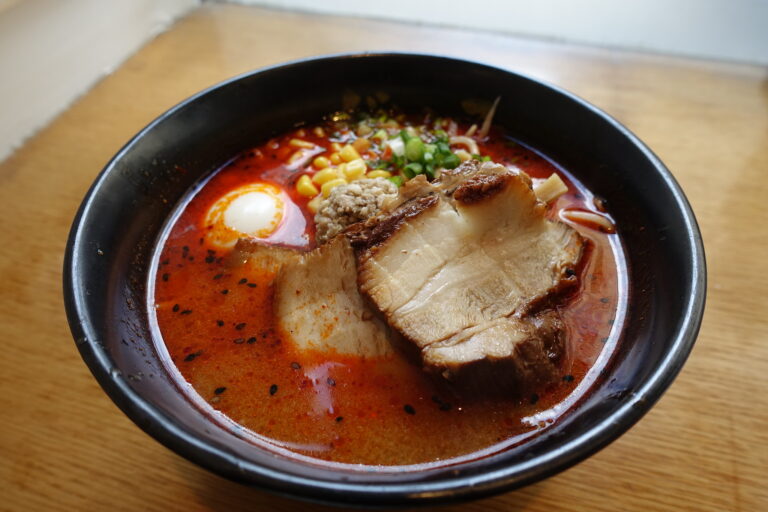
Spicy Miso Ramen
Spicy miso ramen features a rich, umami-filled broth with a fiery kick, springy noodles, and an array of delicious toppings.